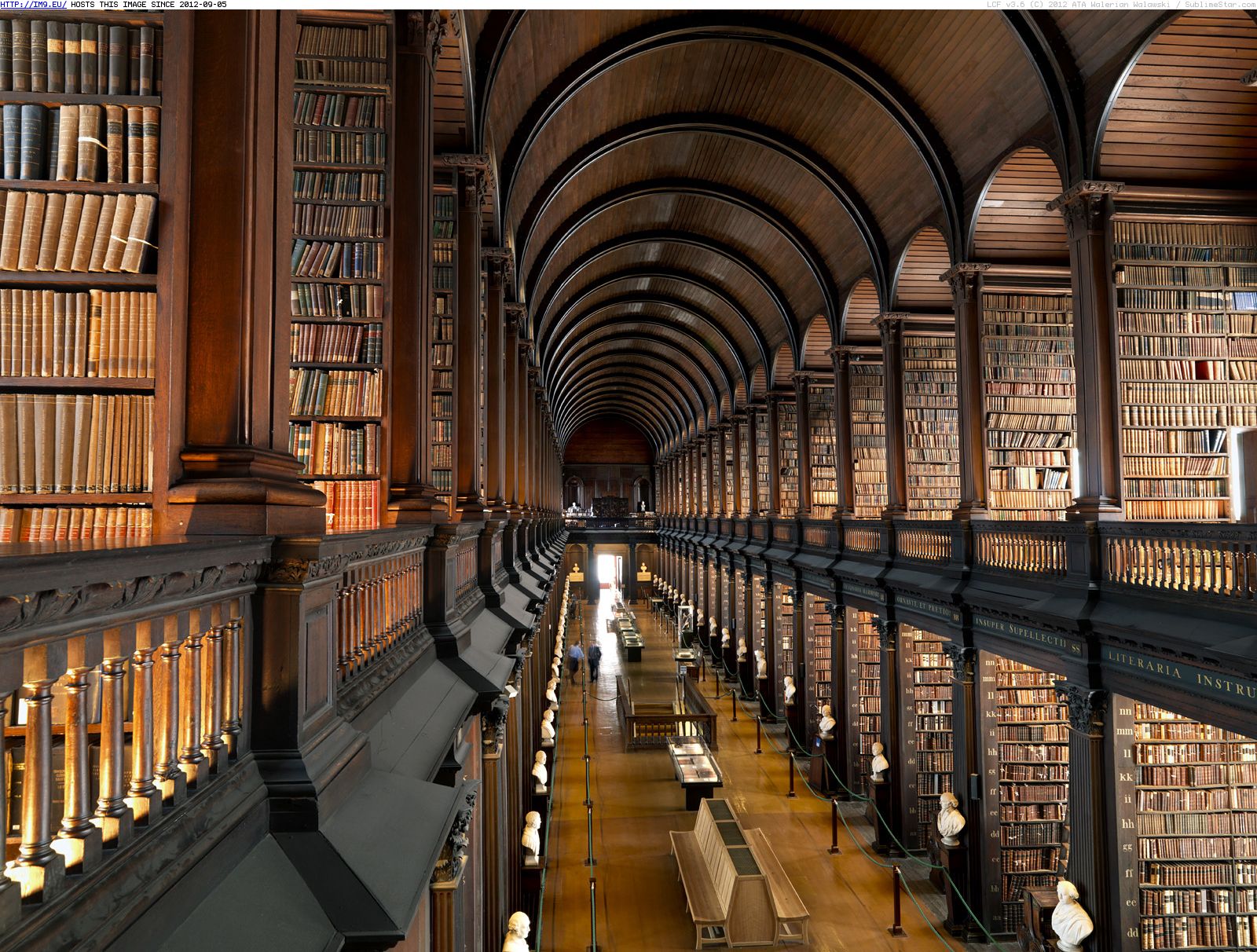
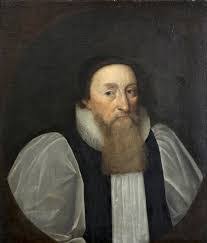
 Bishop Joseph Hall marveled at the “world of wit” packed onto library shelves, yet Puritan John Flavel takes this imagery further, pointing us to a library far more enduring than wit—a library of God’s own attributes.
In his Meditation on the Sight of a Large Library, Bishop Joseph Hall writes,
“What a world of wit is here packed up together! I know not whether this sight doth more dismay or comfort me. It dismays me to think that here is so much that I cannot know; it comforts me to think that this variety affords so much assistance to know what I should. . . . What a happiness is it that, without the aid of necromancy, I can here call up any of the ancient Worthies of Learning, whether human or divine, and confer with them upon all my doubts; that I can at pleasure summon whole synods of reverend Fathers and acute Doctors from all the coasts of the earth, to give their well-studied judgments in all doubtful points which I propose! Nor can I cast my eye casually upon any of these silent masters but I must learn somewhat. It is a wantonness to complain of choice. No law binds us to read all; but the more we can take in and digest, the greater will be our improvement.
“Blessed be God who hath set up so many clear lamps in his church: now, none, but the wilfully blind can plead darkness. And blessed be the memory of those, his faithful servants, who have left their blood, their spirits, their lives, in these precious papers; and have willingly wasted themselves into these enduring monuments to give light to others.”
A Higher Happiness
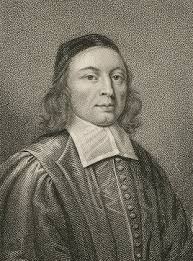 While Hall found joy in a “world of wit,” John Flavel points us toward a deeper seclusion—one found within the character of God Himself. In his Epistle to the Reader prefacing The Righteous Man’s Refuge, Flavel suggests that God’s attributes provide a security that worldly learning never could. He invites every believer to a retreat that offers total refuge:
“If Heinsius, when he had shut up himself in the library at Leyden, reckoned himself placed in the very lap of eternity, because he conversed there with so many Divine souls, and professed, he took his seat in it with so lofty a spirit and sweet content, that he heartily pitied all the great and rich men of the world, that were ignorant of the happiness he there daily enjoyed: How much more may that soul rejoice in its own happiness, who hath shut himself up in the chambers of the Divine Attributes, and exercise pity for the exposed and miserable multitude that are left as a prey to the temptations and troubles of the world.“
Walking Through the Chambers
To shut oneself in these “chambers” is to find a refuge that the world cannot touch. When the “temptations and troubles of the world” make us their prey, we do not merely retreat into study; we retreat into the Living God. By immersing ourselves in His love, wisdom, power, justice, mercy, and faithfulness, we experience true joy and lasting security, far surpassing any worldly learning or earthly library.

