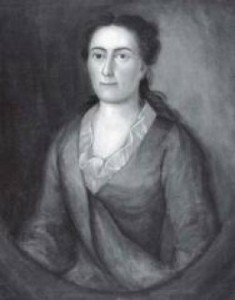
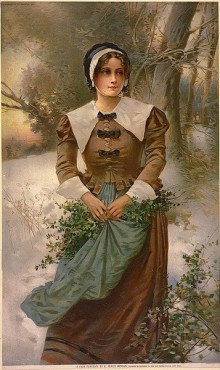
 Throughout history, countless godly women have shone as beacons of inspiration. One who particularly stands out in my reading—both for her Christian intelligence and piety—is Mary Love, the wife of the 17th-century Puritan preacher Christopher Love.
Christopher Love’s life ended at the age of 33 when he was executed by beheading in 1651, accused of conspiring against Oliver Cromwell, then Lord Protector of England. At the time of his death, Mary was eight months pregnant with their fifth child—their third surviving child.
On the day of his execution, Christopher Love used the scaffold as his final pulpit, delivering his last sermon and praying for his accusers. Among his last words were these:
“There are but two steps between me and glory. It is but lying down upon the block that I shall ascend upon a throne. … I am changing a pulpit for a scaffold and a scaffold for a throne. … I am changing a guard of soldiers for a guard of angels which will receive and carry me into Abraham’s bosom.”
Mary’s Farewell Letter
In the weeks leading up to his execution, Mary’s steadfast faith in God shone through, especially in a farewell letter she wrote to her husband while he was in prison on July 14, 1651. It is a stunning display of selflessness. Her letter tugs at my heartstrings:
Continue reading “Christopher and Mary Love” →
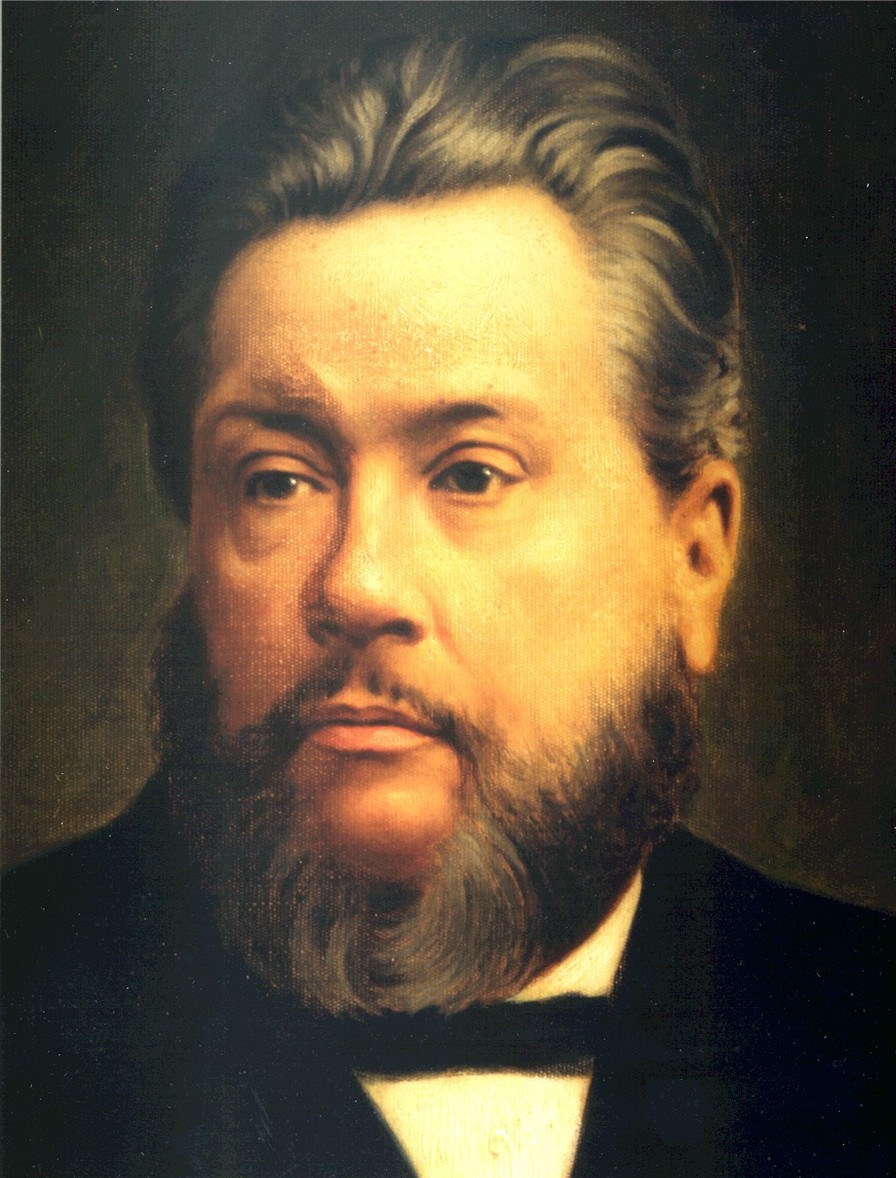
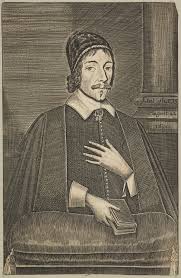 At two o’clock in the afternoon on Friday, August 22, 1651, the great Puritan minister Christopher Love ascended the platform of the scaffold at Tower Hill, London. His life was to be cut short at 33 years of age due to alleged involvement with a plan to raise money for the restoration of the monarchy, a charge Love denied. Believing that his death would glorify God, Christopher Love’s last prayer and final words provide a powerful perspective. He said, “I do more good by my death than by my life, and glorify God more in my dying upon a scaffold than if I had died of a disease upon my bed.”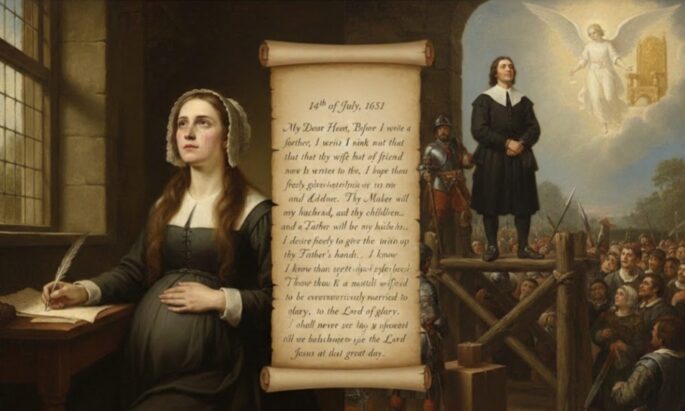
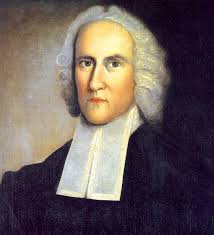 This evening, I came across Jonathan Edwards’ account of his early years and testimony of his faith in Christ. He reminds me of the infinite riches and beauty of God’s grace and mercy with such eloquence, that I wanted to take notes for future reminder: